Capsule Shelf Life Factors You’re Probably Overlooking
Light Exposure and Its Risks
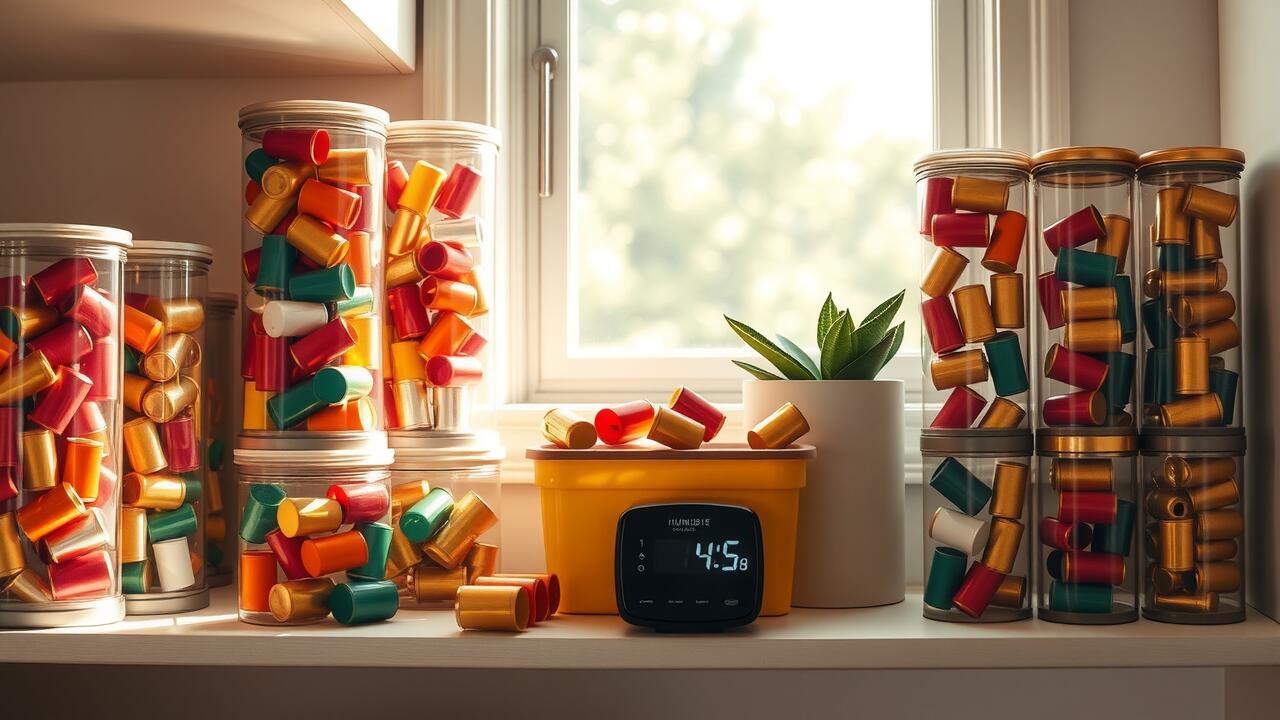
Exposure to light can seriously compromise the integrity of capsules over time. Supplement capsule manufacturers often package products in opaque containers to mitigate this risk. When light penetrates clear or transparent packaging, it can cause degradation of active ingredients. For instance, vitamins like riboflavin and lutein are particularly sensitive to light, leading to diminished effectiveness and bioavailability if exposed for extended periods.
To enhance capsule longevity, consider storing them in a cool, dark place. A study indicated that capsules kept in dark, airtight containers maintained up to 90% of their potency after a year, compared to only 60% for those left in clear packaging. Following these practices not only prolongs shelf life but also ensures consumers receive the full benefit from their supplements.
Why Should You Protect Capsules from Light?
Light can seriously degrade the quality of capsules over time. UV rays may break down sensitive compounds, leading to reduced potency and efficacy. Studies show that a significant percentage of vitamins, for instance, can lose up to 50% of their effectiveness after prolonged exposure to sunlight. Capsule manufacturers often emphasize the necessity of opaque or dark-colored containers for storage, highlighting that even indirect light can accelerate degradation. This aspect of capsule preservation is crucial for maintaining the intended health benefits.
To combat deterioration, keeping capsules in a dark, cool environment is essential. For example, supplement capsule manufacturers usually advise storage in cabinets away from windows or direct light sources. Some suggest utilizing dedicated storage containers that are specifically designed to be lightproof to enhance longevity. Adhering to these recommended storage practices helps ensure that the active ingredients remain stable and potent, providing consumers with the intended benefits for a longer period.
Importance of Manufacturer Storage Instructions
Understanding and adhering to storage instructions provided by supplement capsule manufacturers is crucial for maintaining the potency and effectiveness of capsules. For instance, some capsules require refrigeration, while others need to be stored at room temperature in a dry place. Ignoring these guidelines can lead to diminished efficacy, or worse, the capsules could degrade and become harmful if not stored properly. A study showed that improperly stored probiotics, which are commonly found in capsule form, can lose up to 50% of their potency within months if not kept at the correct temperature.
Capsules benefit from a controlled environment, ensuring their stability and shelf life are preserved. Typically, capsule manufacturers conduct stability tests to establish these recommended conditions. If users follow these guidelines, they can significantly enhance the shelf life of their products. For example, keeping fish oil capsules away from light can reduce oxidation, helping them last longer and retain their beneficial properties. Educating consumers on the importance of manufacturer-specific storage practices empowers them to make informed decisions, ultimately leading to smarter supplement usage.
How Can Following Storage Guidelines Enhance Capsule Longevity?
Properly adhering to storage guidelines significantly impacts how long your capsules remain potent. For instance, many supplement capsule manufacturers recommend keeping products in a cool, dry place. Storing capsules in high-humidity areas, like bathrooms, can accelerate degradation by promoting moisture absorption. A study from the Institute of Food Technologists found that moisture can reduce the bioavailability of specific compounds in capsules by up to 30%. This loss in potency could limit the effectiveness of supplements, making it crucial to follow manufacturer recommendations.
Additionally, temperature plays a crucial role in capsule longevity. Research suggests that temperatures above 75°F can lead to a quicker breakdown of active ingredients. Some capsule manufactures even suggest avoiding refrigeration, as extreme fluctuations in temperature can create condensation inside the container. As a practical tip, using a dedicated cabinet away from direct sunlight or heat sources can help maintain an ideal environment for your supplements. Implementing these guidelines creates a more stable environment, ensuring you're getting the full benefits of your capsules every time.
Common Misconceptions About Capsule Expiry
Many people believe that a capsule's expiry date indicates a precise moment when the supplement suddenly becomes ineffective or unsafe. This misconception can lead to unnecessary waste and concern. For instance, while some prescription medications definitely require strict adherence to expiry dates due to safety risks, many dietary supplements can retain potency well beyond those dates, provided they have been stored correctly. Expert analysis suggests that under proper conditions, some supplement capsules can maintain efficacy for a year or two past their printed dates.
Another common myth is that if a product doesn't show visible signs of spoilage, like discoloration or an awful smell, it must still be effective. Supplement capsule manufacturers often stress that not all degradation is visible. Factors like potency loss occur gradually and might not manifest in a noticeable way. For example, a study showed that certain vitamins in capsules could decrease in concentration by as much as 30% after their expiry date, yet they still appeared intact. It's crucial for consumers to understand these nuances and make informed decisions based on storage conditions and other factors rather than mere appearance or expiry dates.
What Myths Should You Be Aware of Regarding Capsule Expiry Dates?
Many people assume that the date printed on supplement capsules is a strict deadline for consumption. This misconception can lead to unnecessary waste of perfectly good products. Capsule manufacturers typically determine this date based on ideal storage conditions, which means factors like light exposure, humidity, and temperature can all play significant roles in an individual product's actual performance. For instance, a capsule stored in a cool, dark place might still retain its efficacy well beyond its labeled expiration, while one kept in a warm, bright area might degrade much faster.
Another common myth is that expired capsules become harmful immediately after the expiration date. In reality, research has shown that many capsules can remain safe to consume for months or even years past their expiration, provided they have been stored properly. Supplement capsule manufacturers often indicate a safety margin within their expiration dates, ensuring quality even after the listed timeframe. Understanding these nuances can help consumers make informed decisions about their health and wellness without falling prey to premature disposal of quality products.
5 Key Strategies for Maximizing Capsule Shelf Life
Capsules thrive in controlled environments. Keeping them in a cool, dry space is non-negotiable. A temperature range between 68°F and 77°F works best. High temperatures can lead to capsule deformation or changes in potency. Supplement capsule manufacturers often recommend storage in dark containers to shield them from light exposure. Moisture control is equally essential; exposure to humidity can compromise integrity, leading to clumping or dissolution issues.
Monitoring your capsule inventory regularly can also extend shelf life. Organizing them by expiry dates ensures the oldest products get used first. Packaging design plays a crucial role too; companies that utilize child-resistant and airtight packages minimize outside contamination risks. Consider keeping a small dehumidifier in your storage area if humidity is a concern. By following these simple yet effective strategies, they can enhance the longevity of capsules significantly and mitigate potential waste due to expired products.
FAQS
What factors can affect the shelf life of capsules?
Several factors can impact capsule shelf life, including light exposure, temperature, humidity, and how you store them. Keeping capsules in a cool, dark place and following manufacturer storage instructions can help maintain their potency.
Why is light exposure a risk for capsules?
Light exposure can degrade the active ingredients in capsules, reducing their effectiveness over time. That's why it's important to store them in opaque containers or in a dark place to protect them from harmful light.
Do I really need to follow the manufacturer's storage instructions?
Absolutely! Manufacturer storage instructions are designed to help preserve the quality and effectiveness of the capsules. Following these guidelines can significantly enhance their longevity and ensure you're getting the most out of your supplements.
Are there any myths about capsule expiry dates I should know about?
Yes! One common misconception is that capsules are unsafe to consume after the expiry date. While they may not be as potent, many capsules can still be effective for some time after the date, but it's best to consult a professional before taking expired products.
What are some easy strategies to maximize my capsule shelf life?
To maximize shelf life, consider storing capsules in a cool, dry place away from direct sunlight, keeping them in their original packaging, avoiding temperature fluctuations, and using them within the recommended time frame. These simple steps can help maintain their quality!