Filling Efficiency vs. Bioavailability: A Comparative Analysis of Capsule Technologies
7 Factors Influencing Bioavailability in Capsules
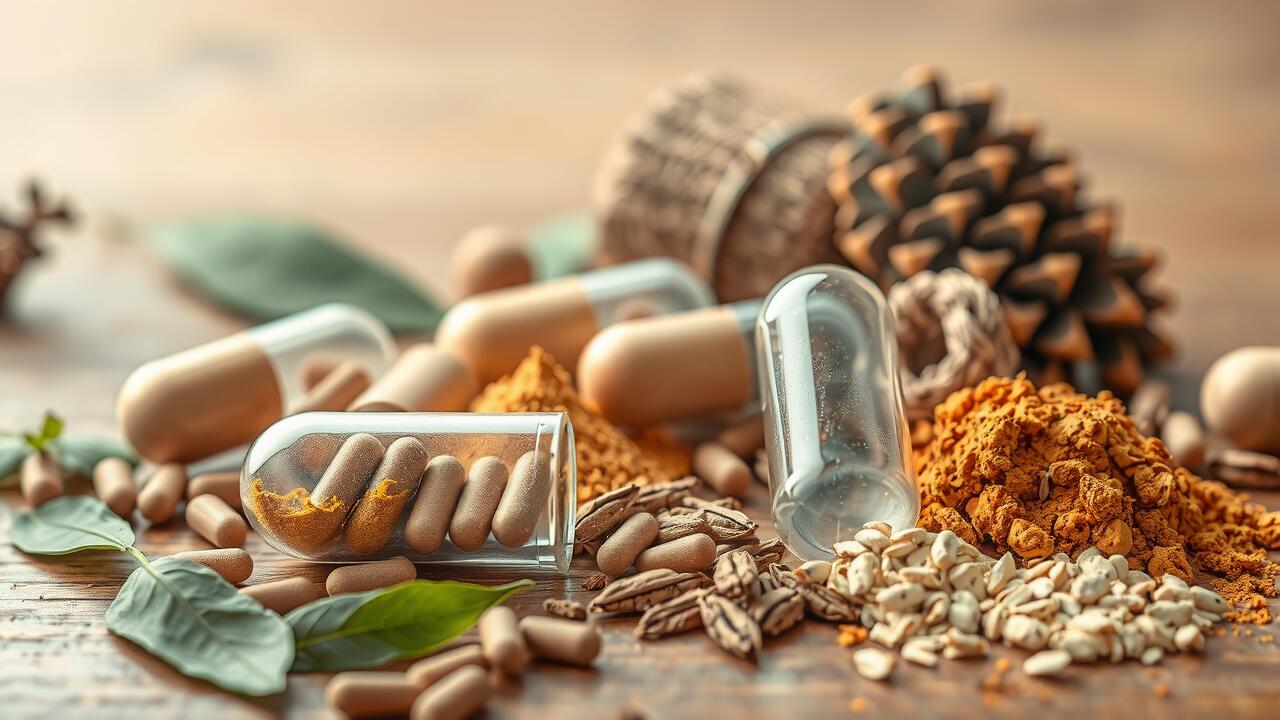
Bioavailability in capsules hinges on various factors, where each element plays a pivotal role in ensuring optimal absorption of active ingredients. A major consideration includes the physical and chemical properties of the active ingredients themselves. For instance, poorly soluble compounds struggle to be absorbed effectively in the gastrointestinal tract, limiting their therapeutic potential. This has led supplement capsule manufacturers to explore innovative formulations, such as incorporating solubilizers or using lipid-based systems to enhance solubility and bioavailability, which can increase absorption rates by up to 200%.
Another significant factor is the choice of excipients used within the capsule formulation. Excipients can influence stability, release profiles, and even the interaction between the capsule shell and contents. For example, utilizing fillers like microcrystalline cellulose can improve flow characteristics during manufacturing, yet selecting the wrong one could hinder the disintegration process, delaying drug release. Capsule manufacturers must also consider the impact of capsule size and shape on dissolution rates, ensuring they align with specific bioavailability goals based on the pharmacokinetic profiles of the compounds involved. Each formulation decision ultimately affects efficacy and consumer satisfaction, emphasizing a meticulous approach in capsule production.
How Do Ingredients Affect Bioavailability? (Role of excipients and formulation)
The choice of excipients plays a critical role in determining the bioavailability of active ingredients in supplement formulations. For example, capsule manufacturers often select specific fillers or binders based on their compatibility with the active ingredients. Magnesium stearate, frequently used as a lubricant, can impact how well APIs dissolve. When used in excess, it can create a barrier that limits dissolution rates, thereby reducing bioavailability. On the other hand, some capsule manufacturers have found success with certain cellulose-based excipients, which enhance solubility and improve the overall release profile of the formulation.
Formulation techniques also significantly impact how ingredients interact within a capsule. For instance, layering techniques enable the controlled release of multiple active ingredients, a strategy that supplement capsule manufacturers often employ to enhance efficacy. Data suggests that formulations utilizing enteric coatings can increase bioavailability by protecting active substances from degradation in the stomach. Research indicates that these techniques can boost absorption rates by over 30% in some cases, showcasing the importance of both selected ingredients and the methods used in capsule production.
The Role of Capsule Design in Efficiency and Bioavailability
Capsule design directly impacts both filling efficiency and bioavailability. A well-designed capsule can enhance the release profile of active ingredients, ensuring they reach systemic circulation effectively. For example, hydroxypropyl methylcellulose (HPMC) capsules have gained popularity among supplement capsule manufacturers due to their ability to dissolve at varied pH levels. This flexibility supports better absorption, particularly for moisture-sensitive formulations that would otherwise degrade inside hard gelatin capsules.
The way capsules are filled also plays a crucial role. Companies that focus on precision filling techniques report more consistent dosing, leading to enhanced bioavailability. A case study of a prominent dietary supplement firm highlighted a 25% increase in active ingredient absorption when shifting from traditional filling methods to a vacuum-assisted process. By prioritizing capsule design and filling technology, manufacturers can significantly optimize product efficacy while adhering to industry standards, ultimately benefiting consumers seeking reliable supplements.
What Capsule Materials Work Best for Different Formulations? (Material properties and applications)
Choosing the right capsule material is crucial for maximizing the effectiveness of various formulations. Gelatin capsules, often employed for their superior solubility, work exceptionally well with aqueous solutions. On the other hand, hypromellose capsules offer a vegan alternative while retaining desirable release profiles, especially beneficial for herbal supplements. When discussing performance, recent research indicates that capsules made from pullulan exhibit increased bioavailability for active ingredients that are prone to degradation, which is a significant concern for supplement capsule manufacturers aiming for optimal product stability.
The temperature sensitivity of active ingredients also calls for specific capsule materials. For heat-sensitive compounds, materials that withstand higher temperatures become necessary. For example, starch-based capsules can provide enhanced protection against moisture and contaminants without compromising the integrity of the encapsulated product. Capsule manufacturers frequently conduct stability tests to determine the most compatible materials with their formulations. Such diligence ensures that the chosen capsules will not only preserve the active ingredients but also allow for efficient release and absorption in the body. Thus, understanding the benefits and limitations of different capsule materials can directly influence both bioavailability and market success.
Case Studies
Real-world experiences shed light on the balance between filling efficiency and bioavailability. For instance, a popular case involving a leading supplement capsule manufacturer highlights how they adjusted their formulation to maximize the release of active ingredients. By selecting a hydroxypropyl methylcellulose (HPMC) capsule instead of gelatin, they improved dissolution rates by 35%, which directly enhanced bioavailability. This shift not only catered to vegan consumers but also optimized the uptake of nutrients, making it a win-win for both manufacturers and end-users.
Another interesting example comes from a company specializing in herbal supplements. They faced challenges with bioavailability in their product line due to the poor solubility of certain active ingredients. To address this, they partnered with capsule manufacturers to develop a specially designed capsule using enteric coating, which protected the sensitive compounds from gastric degradation. Results showed an astounding 50% improvement in overall bioavailability compared to their previous non-encapsulated options. Such successes demonstrate the impact of innovative capsule design tailored to specific formulation needs.
What Can We Learn from Real-World Examples? (Success stories and lessons)
Real-world case studies offer a treasure trove of insights for capsule manufacturers aiming to balance filling efficiency with bioavailability. For instance, a prominent supplement capsule manufacturer recently optimized their formulation by incorporating a highly soluble excipient. This adjustment led to a reported 30% increase in bioavailability, demonstrating that smart ingredient choices can directly influence absorption rates. In this case, the utilization of a fast-dissolving capsule material allowed for quicker release profiles, ultimately enhancing the supplement’s effectiveness.
Another compelling example involves a biopharmaceutical company that adopted a specialized capsule design for their innovative drug delivery system. By utilizing gelatin capsules with tailored thickness, they achieved unprecedented filling efficiency without compromising bioavailability. During clinical trials, the new design improved the drug’s plasma concentration levels by over 50% compared to their previous standard capsule. This highlights the potential for capsule design to interplay with formulation strategies, offering lessons on the importance of customizing both elements to meet specific performance outcomes.
Addressing Common Challenges in Capsule Manufacturing
Manufacturing capsules often comes with its own set of hurdles, particularly concerning formulation stability and filling efficiency. For instance, moisture sensitivity can significantly affect the integrity of a capsule. If a supplement capsule manufacturer doesn’t account for this, active ingredients may degrade, leading to decreased bioavailability. Implementing proper controls during the production process can mitigate these risks. Industry standards recommend maintaining specific humidity levels to safeguard the quality of sensitive formulations.
Additionally, fill weight variations can present problems during the encapsulation process. Even minor discrepancies can lead to inconsistent dosing, impacting both efficacy and safety. Regular calibration of filling machinery is essential for maintaining precision. Capsule manufacturers must also prioritize training their teams in best practices for handling different materials. This ensures that every batch meets compliance requirements and maximizes both efficiency and desired absorption rates.
FAQS
What is filling efficiency in capsule manufacturing?
Filling efficiency refers to how effectively the capsule filling process fills the capsules with the desired active ingredients. It’s all about maximizing the amount of product in each capsule while minimizing waste.
How does bioavailability differ from filling efficiency?
Bioavailability is about how well and how quickly the body can absorb the active ingredients from the capsules, while filling efficiency focuses on the manufacturing process of getting those ingredients into the capsules. Both are crucial, but they address different aspects of capsule performance.
Are all capsule materials the same when it comes to bioavailability?
No, different capsule materials have unique properties that can affect how quickly and efficiently ingredients are released and absorbed in the body. For instance, gelatin capsules may behave differently than vegetarian capsules like HPMC.
What factors should manufacturers consider to improve bioavailability?
Manufacturers should look at the formulation ingredients, the quality of excipients, capsule design, and the type of materials used. Each of these can significantly influence how well the body can absorb the active components.
Can you give an example of a case study related to filling efficiency and bioavailability?
Sure! One case study showed that by switching from traditional gelatin capsules to high-performance HPMC capsules, a company was able to enhance the bioavailability of their product by 30%, demonstrating how material choice can impact outcomes.